Going Green: Eco-Friendly HVAC Solutions for a Sustainable Home Mar 17, 2026
Economic and Environmental Advantages
Switching to eco-friendly HVAC systems offers both economic and environmental advantages. Traditional systems often consume a significant amount of energy, contributing to higher utility bills and increased carbon emissions. By investing in energy-efficient models, homeowners can drastically reduce their carbon footprint while also lowering their monthly expenses.
Moreover, governments may provide incentives, such as tax credits, to encourage the adoption of green technologies. This further offsets initial costs, making the transition more feasible and attractive.
High-Efficiency HVAC Systems
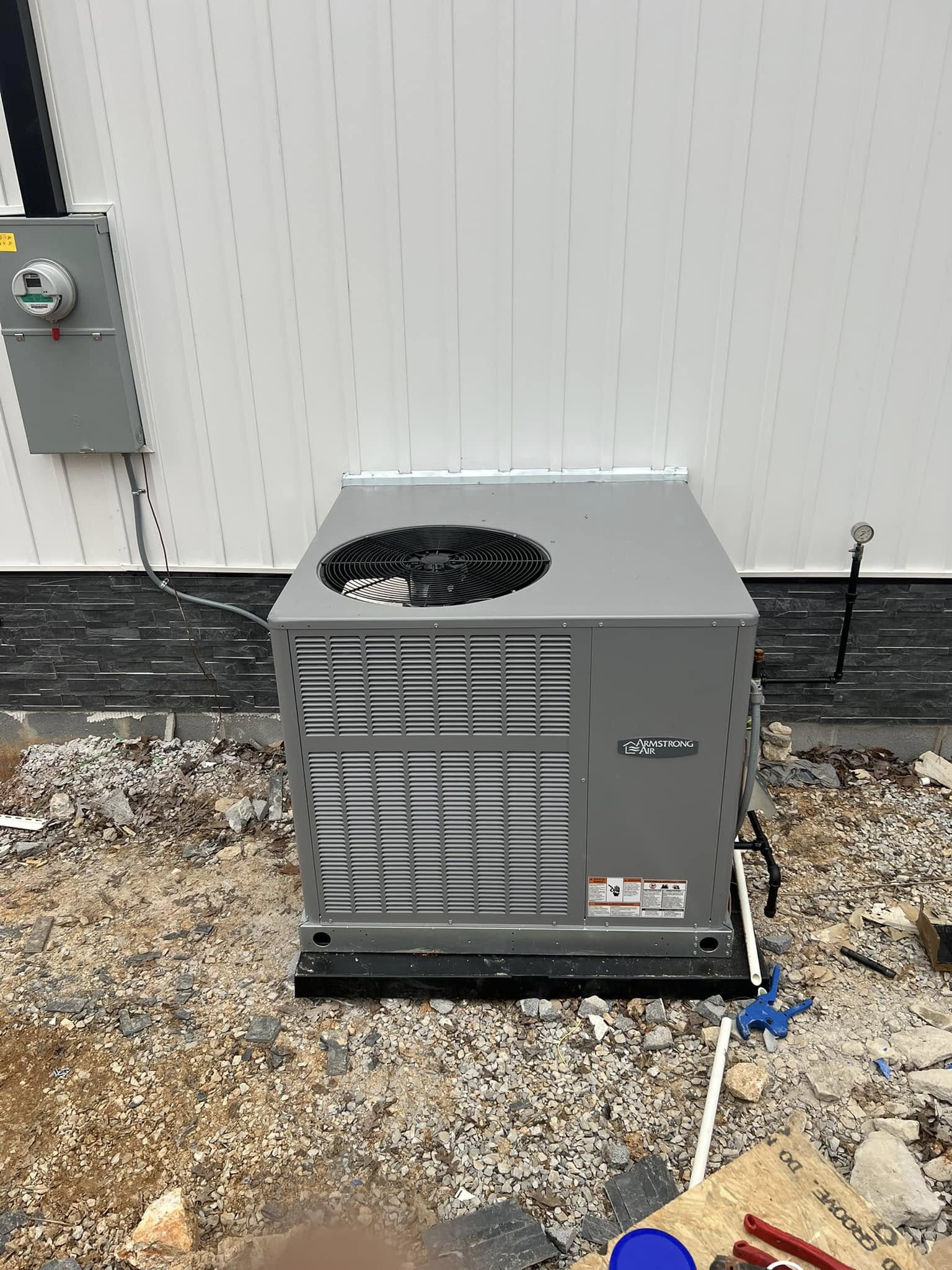
One of the most effective ways to make your home's heating and cooling system more eco-friendly is by upgrading to a high-efficiency HVAC system. Equipment with a high Seasonal Energy Efficiency Ratio (SEER) or Energy Star certification guarantees better performance with less energy consumption. These systems use advanced technology to maintain comfort levels while using significantly less energy, promoting sustainability and reducing greenhouse gas emissions.
Smart Thermostats
Adding smart thermostats to your system can amplify your home’s energy efficiency. These devices learn your habits and preferences, optimizing temperature regulation to prevent unnecessary energy use. They can also be controlled remotely through a smartphone app, allowing you to make real-time adjustments even when you're not at home. This not only saves energy but also enhances comfort and convenience.
Regular Maintenance
Regular maintenance is crucial to ensuring that your HVAC system operates efficiently year-round. Paul Proffitt Heating & Air offers comprehensive maintenance packages that can help prolong the life of your equipment and improve its efficiency. Routine checks involve cleaning filters and ducts, calibrating thermostats, and inspecting the system for issues that could hamper its performance. A well-maintained HVAC system uses less energy and produces fewer emissions, contributing to a more sustainable home.
Alternative Energy Sources
For those looking to further minimize their environmental impact, integrating alternative energy sources like solar power into your HVAC system can be a game-changer. Solar-powered heating and cooling not only supplies your system with clean energy but also can provide a substantial reduction in electricity bills. Though the initial investment may be higher, the long-term savings and environmental benefits make it a worthwhile consideration.
The Role of Insulation
Improving your home's insulation is another effective way to reduce reliance on heating and air conditioning. Proper insulation keeps your home warm in winter and cool in summer, ensuring that your HVAC system doesn't have to work as hard. This contributes to energy conservation and can lead to notable savings on energy bills.
In conclusion, going green with your HVAC system is a responsible choice that benefits both your wallet and the environment. By investing in high-efficiency systems, incorporating smart technology, and considering alternative energy sources, you are taking a significant step toward a more sustainable home. With Paul Proffitt Heating & Air's expert guidance and maintenance services, making these eco-friendly transitions becomes even easier, helping to ensure that your decisions today lead to a healthier planet tomorrow.
/filters:no_upscale()/filters:format(webp)/media/7fe298bf-aa49-409a-882d-d777bf1f842e.jpg)
/filters:no_upscale()/filters:format(webp)/media/88373036-6f28-4883-8ece-53a6586bd6e9.jpg)